
Whether it is a burst hot water cylinder, a washing machine hose or stormwater coming in under the door, the first 24 hours after a flood decide how much of your home can be dried and saved, and how much has to be ripped out. Water keeps moving the whole time: it wicks up walls, soaks into underlay and starts to separate carpet backing. Acting in the right order makes a real difference.
1. Make it safe first
Before you touch anything, check that it is safe to be in the room.
- If water has reached power points, appliances or the switchboard, turn the power off at the mains, but only if you can reach it without standing in water. If you can't, stay out and call an electrician.
- Stop the source if you can: turn off the water toby or the mains tap for a plumbing leak.
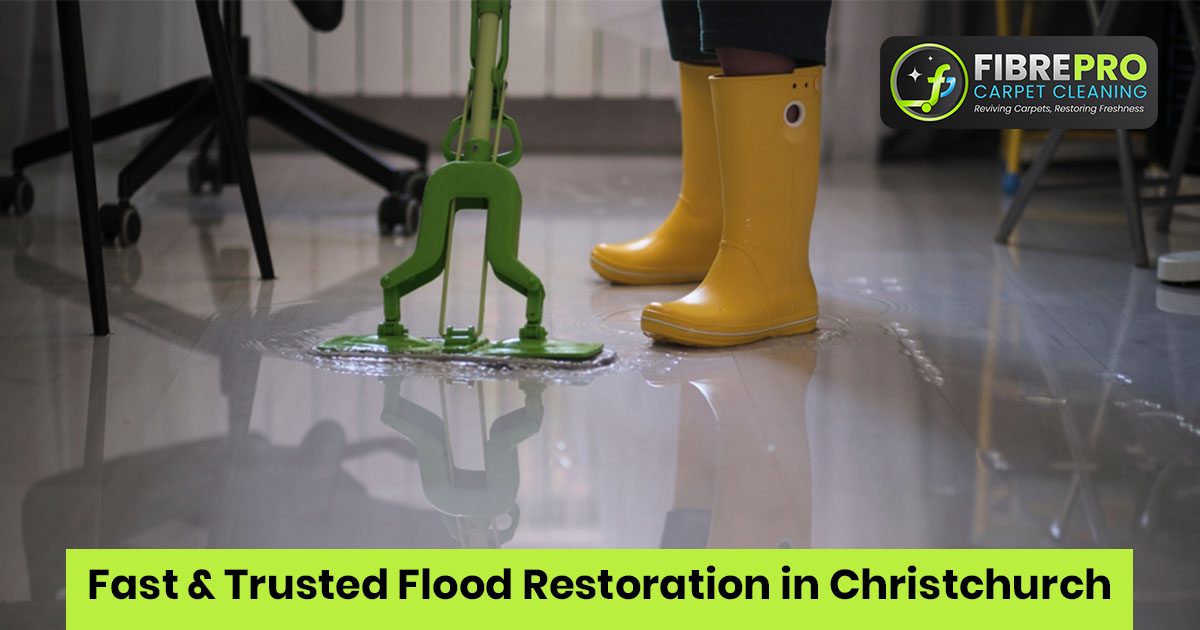
- Treat floodwater from outside, or from a toilet or drain, as contaminated. Wear gumboots and gloves, and keep children and pets away.
- Watch for slippery floors and ceilings sagging under trapped water.
2. Photograph everything before you move it
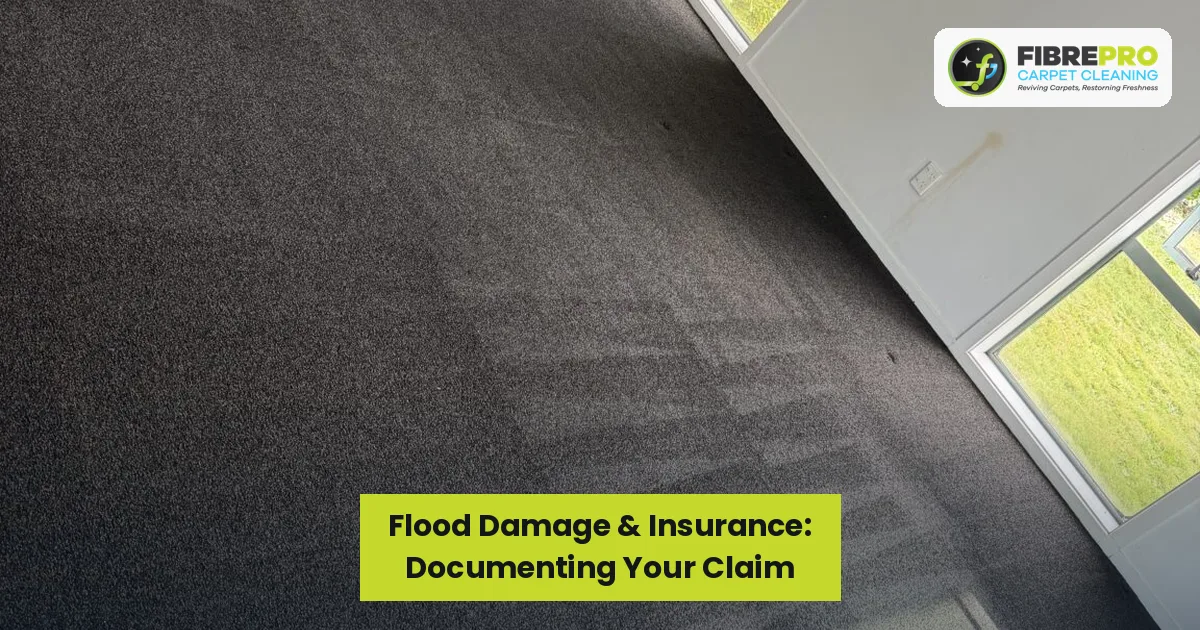
Your insurer will want to see the damage as you found it. Take wide photos of every affected room, then close-ups of the waterline on walls, the carpet, furniture legs and anything damaged. A short video walking through the house is quick and very useful. Do this before you lift carpet or throw anything out. Our guide to documenting a flood insurance claim covers this in more detail.
3. Call your insurer, then a restoration specialist
Let your insurer know as early as you can and note your claim number. Most policies expect you to take reasonable steps to stop the damage getting worse, and getting the water out quickly is exactly that. Many insurers are happy for you to engage a qualified restorer for emergency water removal straight away. If you are unsure, ask them on the call.
FibrePro runs a 24/7 flood restoration service across Christchurch and Canterbury. Call (022) 159-8877 at any hour.
4. Get standing water out fast
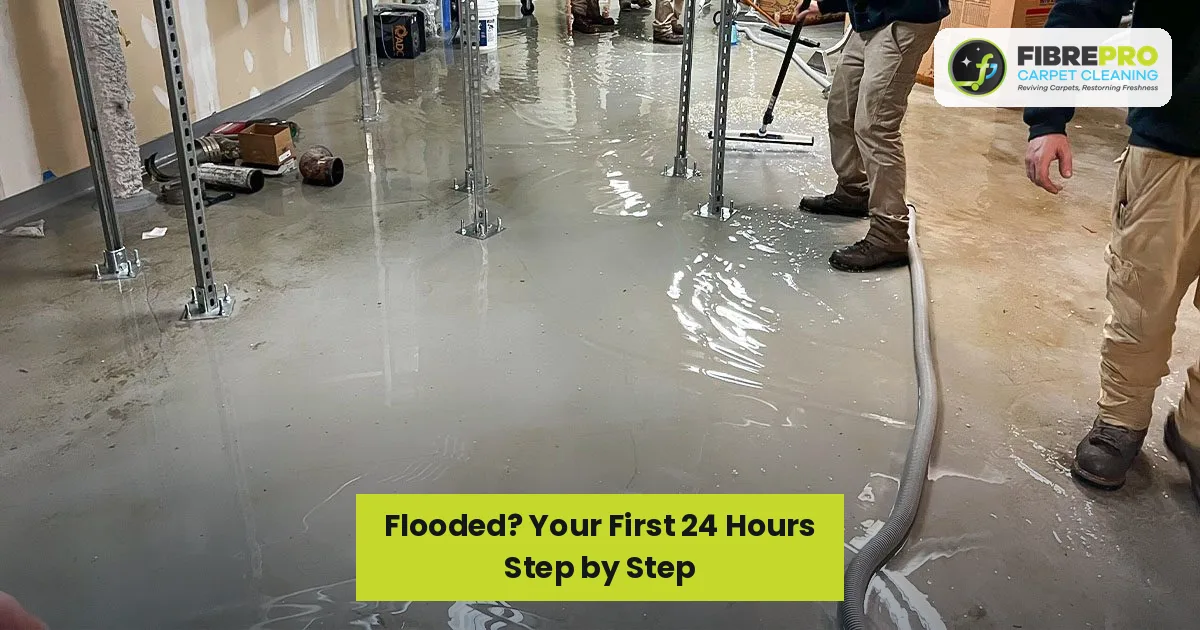
Towels and a wet-vac help with small spills, but they cannot pull water out of underlay. Professional truck-mounted or portable extraction removes far more water at the start, so the drying stage takes days rather than weeks. Generally, the more water removed by extraction, the less has to be dried by air movers and dehumidifiers.
5. Move what you can, and protect what you can't
- Lift furniture off wet carpet, or slip foil or plastic under the legs. Timber stain and metal rust can permanently mark carpet within hours.
- Take rugs, curtains touching the floor, books, shoes and boxes out of the wet area.
- Keep anything you plan to claim for. Don't throw it away until your insurer has seen it or approved disposal, unless it is a health risk.
6. Start airflow, but don't guess at "dry"
Open windows if the air outside is drier than inside, and run any heat pump on dry mode. Be careful with heaters in a closed room: they raise humidity without removing it. Carpet that feels dry on top can still be saturated underneath, and wet underlay is where musty smells and mould start. Professionals use moisture meters to map the damp area and keep drying equipment running until the readings show the materials are actually dry.
What not to do
- Don't use a household vacuum on wet carpet.
- Don't walk back and forth across soaked carpet more than you have to, because it spreads contamination and stretches the carpet.
- Don't lift and roll carpet yourself. Wet carpet is heavy, and it can tear or delaminate.
- Don't seal the room up and wait for it to dry by itself.
Why speed matters in Christchurch
Many Christchurch suburbs sit on low, flat ground with a high water table, especially near the Avon, Heathcote and Styx rivers. In winter, houses here can take a long time to dry naturally. That is why we measure moisture rather than assume, and why we prefer to start extraction the same day.